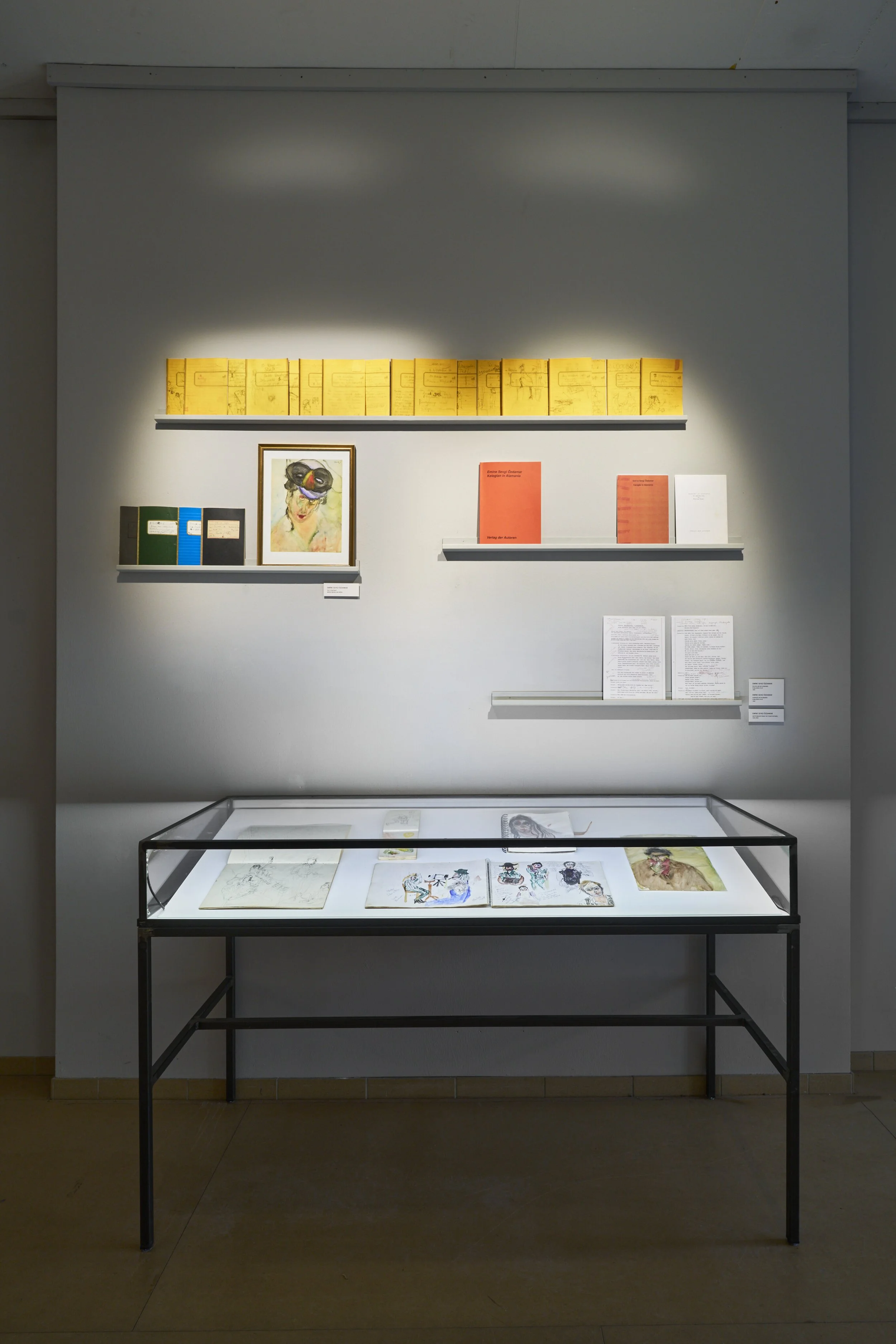
Literary Salon
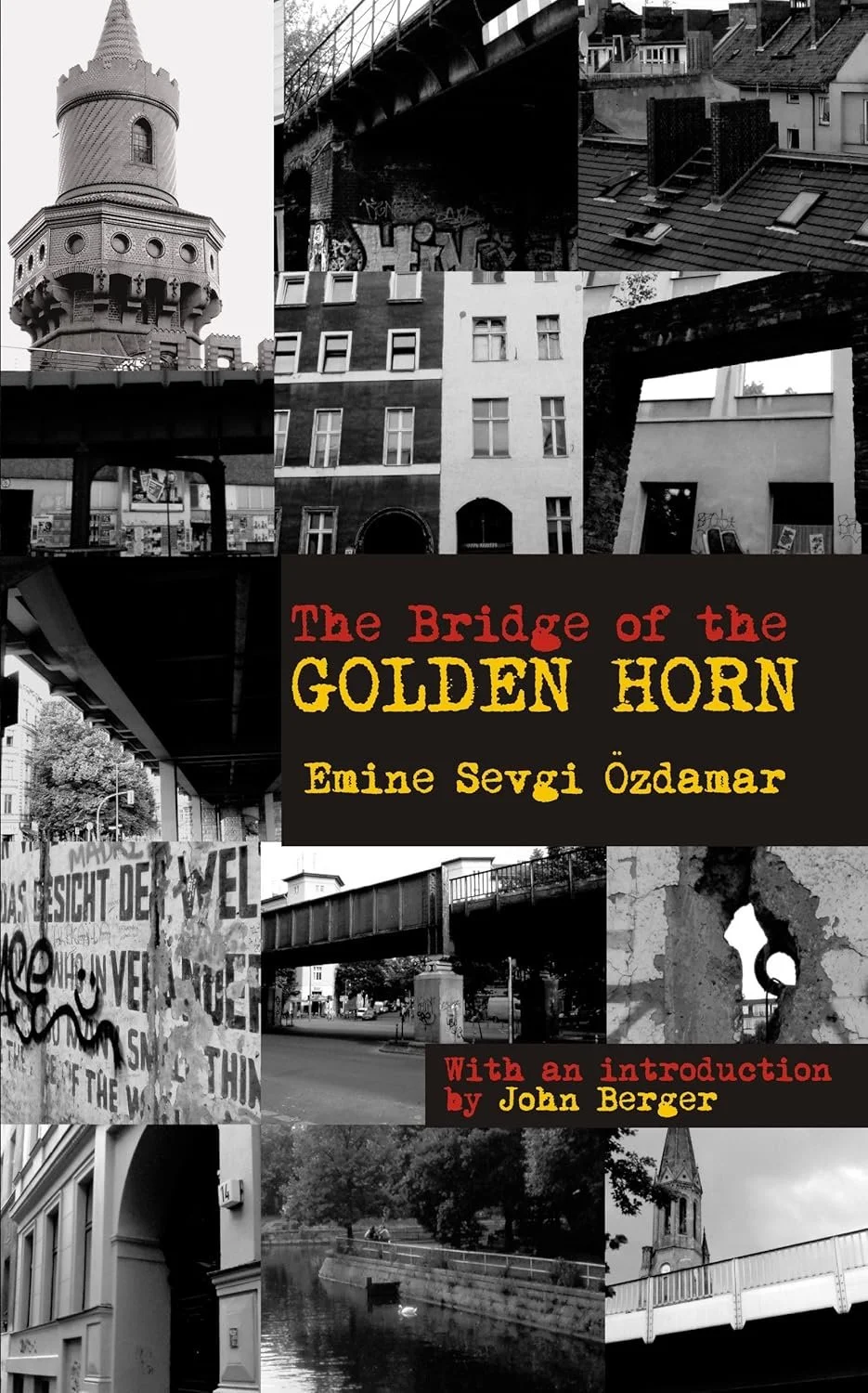
The Bridge of The Golden Horn by Emine Sevgi Özdamar
Written by Emine Sevgi Özdamar
Performed by Tan Kheng Hua in English
Post-show dialogue by Shermin Langhoff
This literary salon will feature a reading of Emine Sevgi Özdamar’s autobiographical coming-of-age novel The Bridge of the Golden Horn by acclaimed Singaporean actress Tan Kheng Hua, with a post-show dialogue by Shermin Langhoff.
A Turkish teenager, the unnamed heroine, signs up as a Gastarbeiter (guest worker) in Germany. Lying about her age, she leaves Istanbul and works on an assembly line in Berlin and lives in a factory hostel.
The Bridge of the Golden Horn is a witty account of a precocious teenager refusing to become wise; of hectic years lived between Berlin and Istanbul; and of a young woman’s sexual, political, and theatrical education.

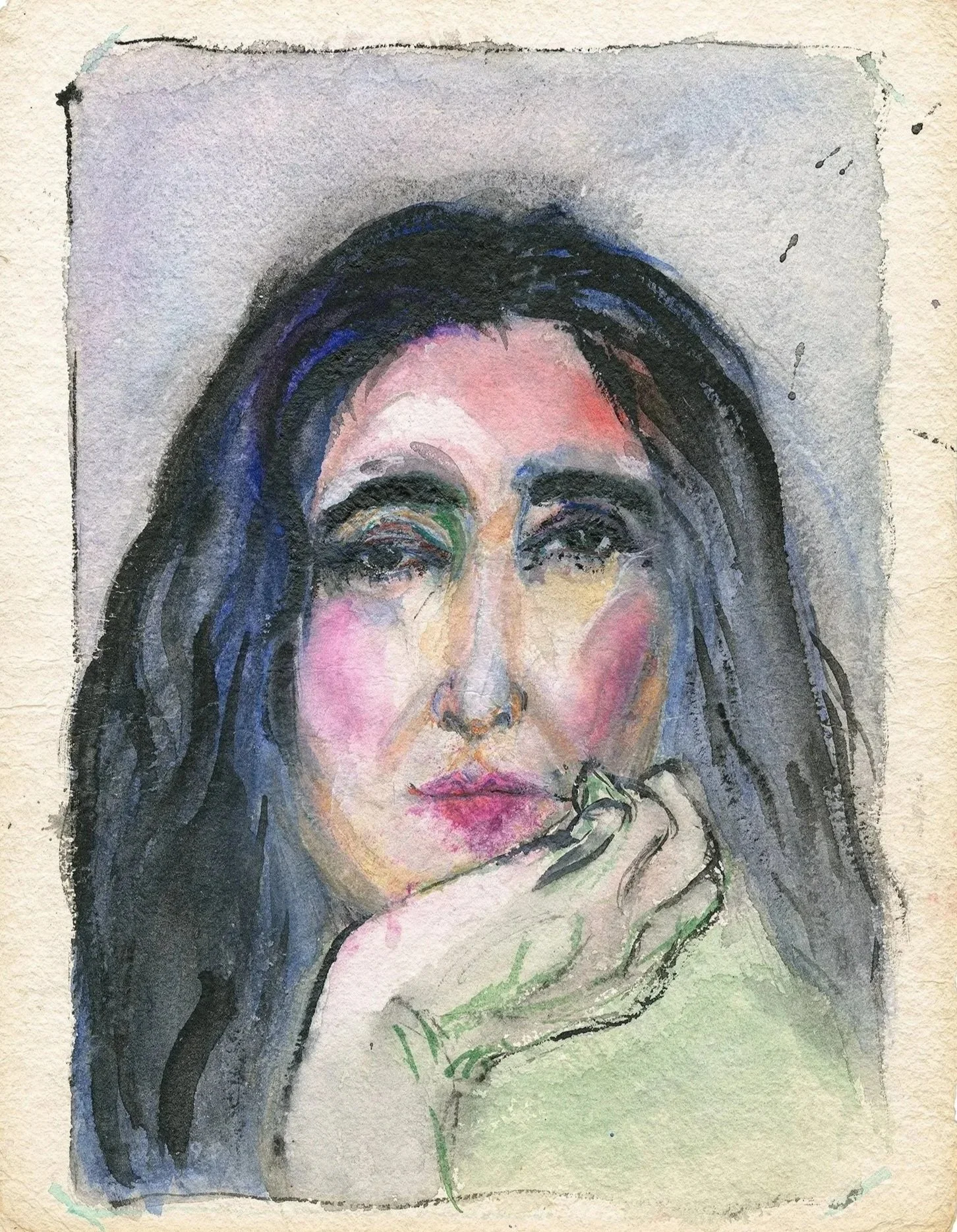
A painted self portrait of Emine Sevgi Özdamar


Tan Kheng Hua
Shermin Langhoff
About The Author
Emine Sevgi Özdamar was born in 1946 in Turkey. As a result of an interest in German theatre, she came to Germany as a young adult and worked in a factory in Berlin in the sixties. Subsequently she studied and pursed acting professionally in Istanbul, performing key roles in Turkish staging of German plays by renowned playwrights Bertolt Brecht and Peter Weiss.
During the seventies she worked with post-Brechtian directors such as Claus Peymann, Fritz Marquardt and Benno Besson at the Volksbühne theatre in East Berlin, later in Paris and Avignon. Following that she was a member of the Bochumer Schauspielhaus ensemble led by Peymann, for which she wrote her first play in 1982, “Karagöz in Alamania” (“Blackeye in Germany”). Detailing the lives of Turkish migrants in Germany, the play was directed by Emine and performed at the Frankfurter Schauspielhaus in 1986.
After the publication of her collection of stories “Mutterzunge” (“Mother Tongue”) and a second play in the nineties, Emine was awarded the Ingeborg Bachmann Prize for her debut novel “Das Leben ist eine Karawanserei” (“Life Is A Caravansarai”), an autobiographical account of a girl’s childhood and adolescence in Turkey in the fifties.
Her later publications such as her second book “Die Brücke vom Goldenen Horn” (“The Bridge of the Golden Horn”), were met with more awards and international critical acclaim.
As one of the most famous and internationally acclaimed German Turkish writers, Sevgi has been awarded the most distinguished German literary award the Georg Büchner Prize (2022), Order of Merit of the Federal Republic of Germany (2025) and recently the prestigious Bertolt Brecht Prize by the city of Augsburg (2026).
“Özdamar writes with wisdom and humor about the artistic, political and sexual adventures of a young woman coming of age in 1960s Germany and Turkey.”
Tan Kheng Hua is an award-winning film, TV and theatre actor/producer in Asia but recently gained international recognition as Kerry Chu in the smash hit "Crazy Rich Asians", Empress Dowager in Netflix’s "Marco Polo", Emily Gemmill in "The Garden of Evening Mists" and recently concluded 3 seasons as main cast of Greg Berlanti’s reboot of Kung Fu for The CW. Her recent work includes a major voice role in Paramount’s full-length animation feature "Tigers Apprentice" alongside Michelle Yeoh, Henry Golding and Sandra Oh, and an independent rom-com "Worth The Wait" with Lana Condor, Ross Butler, Elodie Yung, Andrew Koji, Karena Lam and Sung Kang.
She has produced a variety of productions for Singapore and Malaysian stage and TV including big scale musicals, intimate original dramas, festivals. Her original series "Do Not Disturb" was the first English-language TV programme to get the maximum 5-star rating from The Straits Times and she was one of 20 Singaporean artists representing Singapore for the nation’s 50th year of independence showcase in London, Beijing, New York and Singapore.
Shermin Langhoff, Artistic Director of Maxim Gorki Theatre Berlin, is a trailblazer in German theatre. Born in Turkey and migrated to Germany as a child, she initiated and champions post-migrant theatre, reflecting Berlin’s diverse reality. Long before leading the Gorki, she was an integral part of a movement that brought artists of colour and marginalised voices to the forefront.
Under her direction, the Gorki has become a radical venue, critically engaging issues surrounding trans local identities, histories and narratives. Her impact is recognised internationally. She has received numerous awards, including the KAIROS European culture prize for her work as a cultural mentor, Helga and Edzard Reuter Foundation honours for fostering international understanding, and the Bundesverdienstkreuz (Federal Cross of Merit), one of Germany’s highest civilian distinctions from German President Joachim Gauck for her cultural contributions.