POA 2026 Opening Exhibition
Stresemannstrasse 30 —An Inventory
Exhibition Hours
Wed 29 Apr (Open Party): 7PM till late, with supper gathering
Thu 30 Apr: 6PM – 10PM
Fri–Sat, 1–2 May: 3PM – 10PM
Sun 3 May: 2PM – 8PM
📍 72-13 Mohamed Sultan Road, Singapore 239007
POA Opening Exhibition
Stresemannstrasse 30 — An Inventory
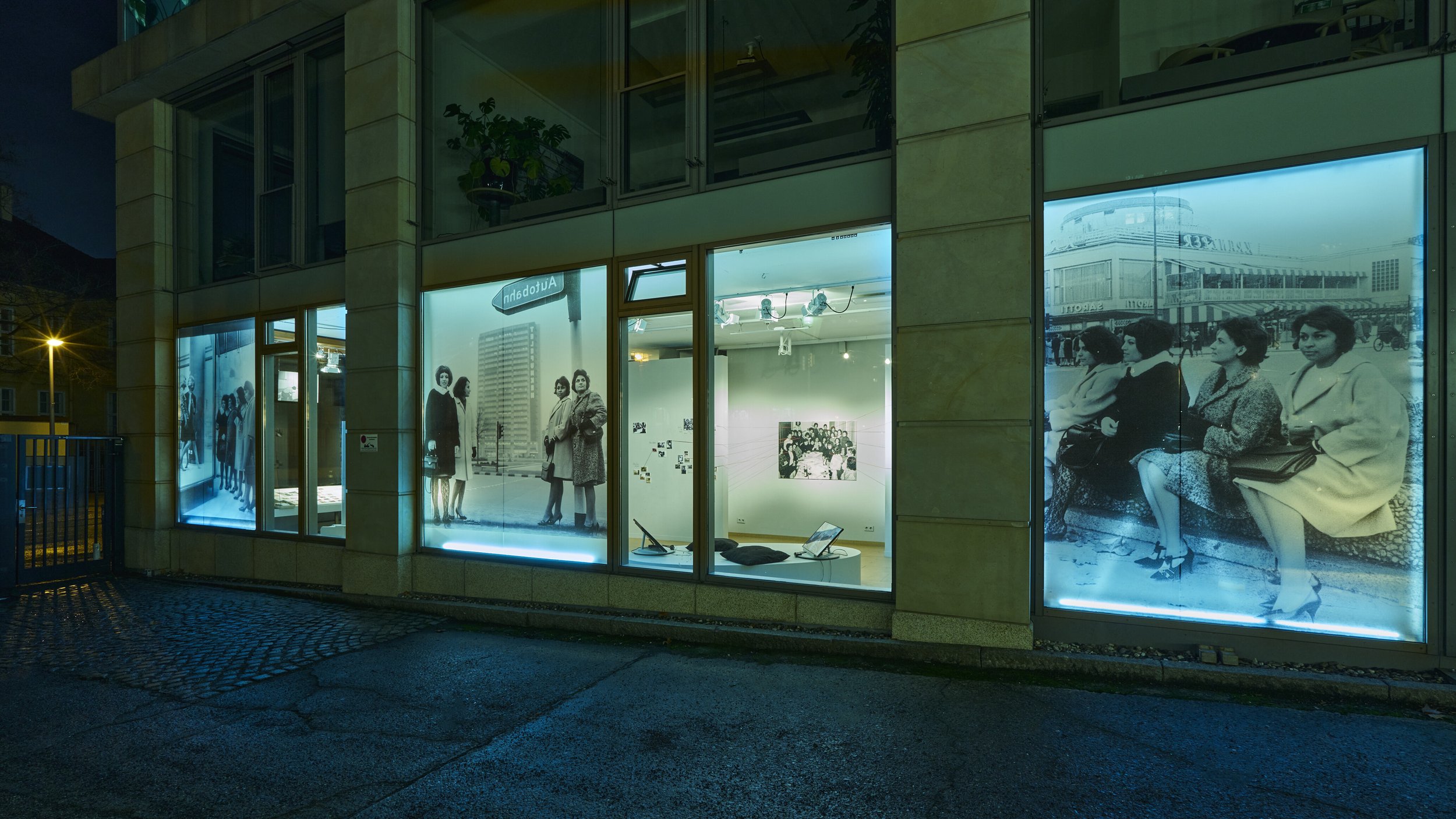
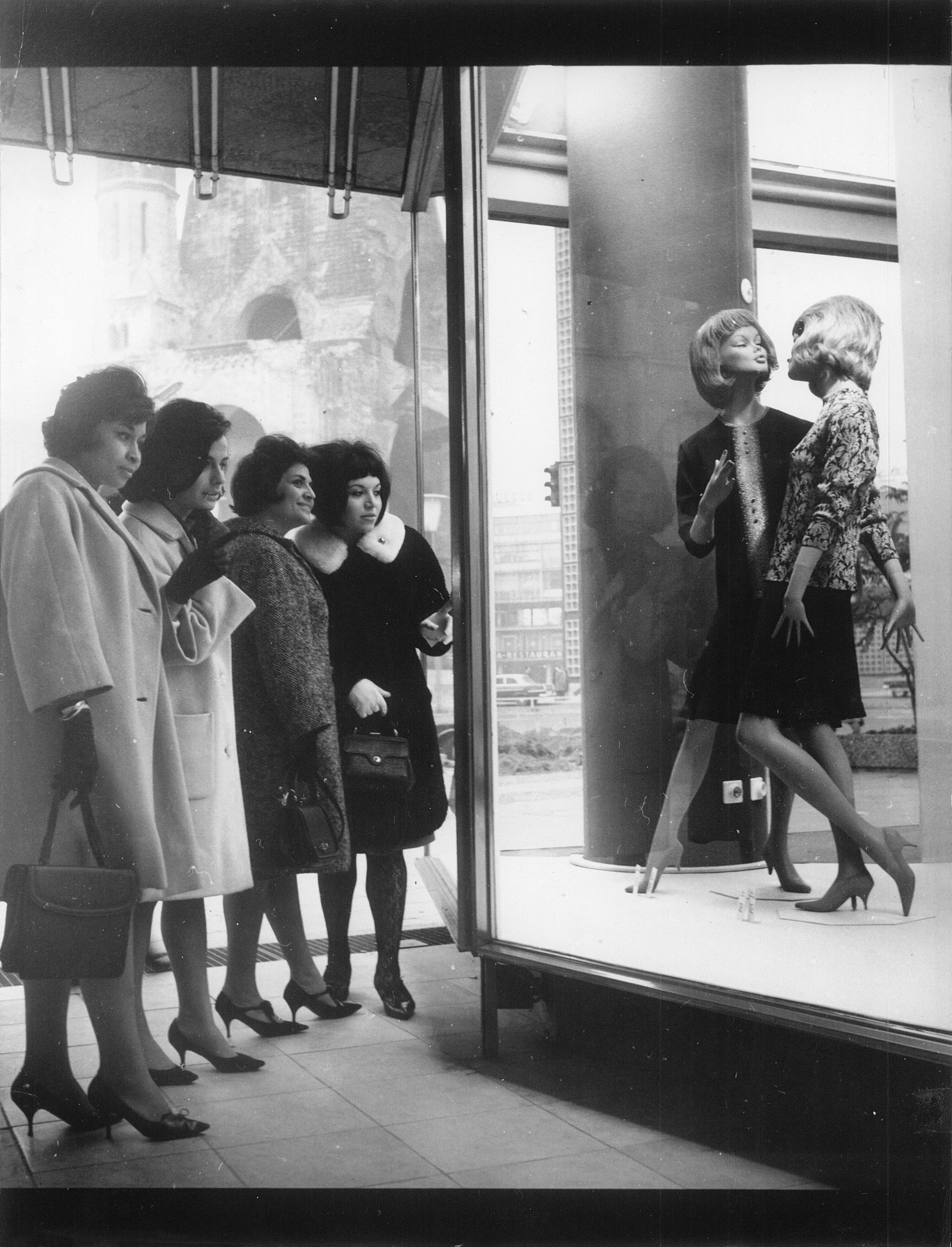
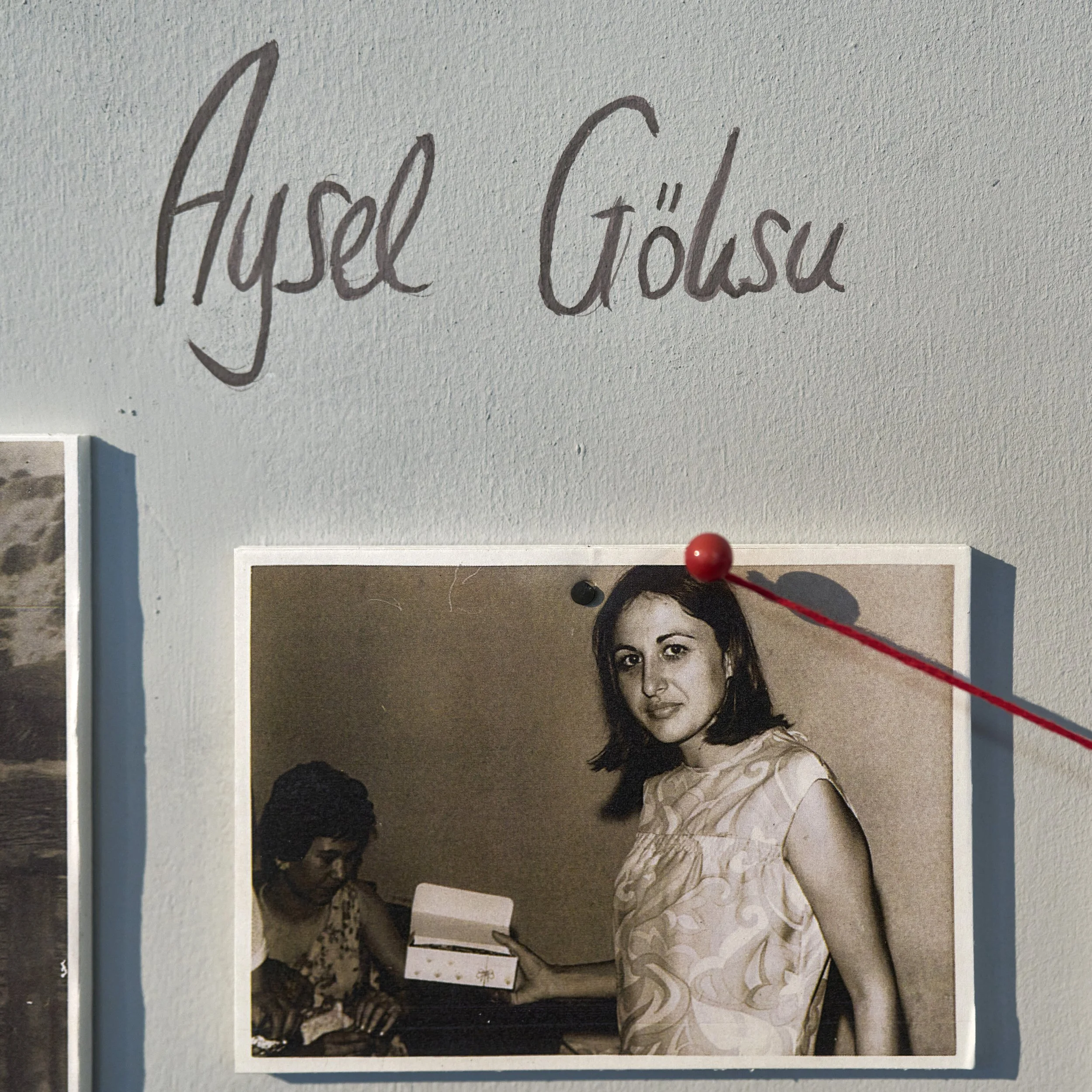
After the signing of the recruitment agreement between Germany and Turkey in 1961, a women’s hostel belonging to Telefunken, a technology company, located at Stresemannstrasse 30, became a first home in Berlin for many Turkish women – in a building that had, over a hundred years earlier, served as an educational institution for boys including German statesman Otto von Bismarck.
Among the residents, who worked in piecework assembling radio tube lamps for Telefunken, were die-hard theatre fans who followed Bertolt Brecht’s Berliner Ensemble, and other figures at the forefront of German theatre such as Helene Weigel and Erwin Piscator. Other residents had encounters with German sociologist Rudi Dutschke, whom they found to be quite arrogant, which is why they co-founded the first Turkish socialist association in West Berlin. Many admired Ella Fitzgerald in concert or were horrified to have to come across their screen idol Horst Buchholz, often dubbed as the German James Dean, as a “beat-up bum”.
Some of these pioneers shaped decades of German-Turkish life in Berlin with their socio-political and artistic work. One of the most famous German Turkish writers Emine Sevgi Özdamar, who was also working at Telefunken at the time, created a literary monument to this era with her novel Die Brücke vom Goldenen Horn (The Bridge of the Golden Horn).
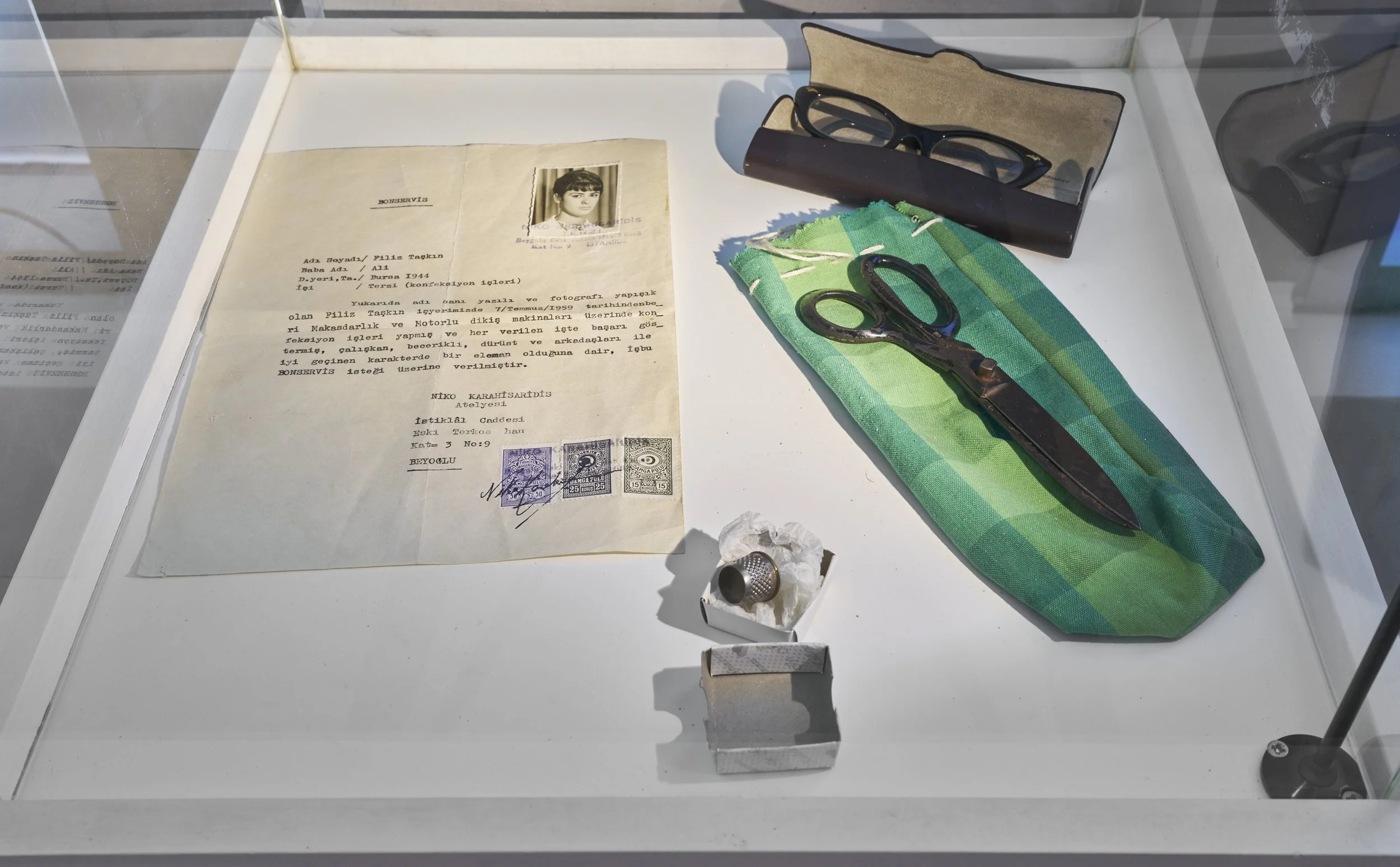
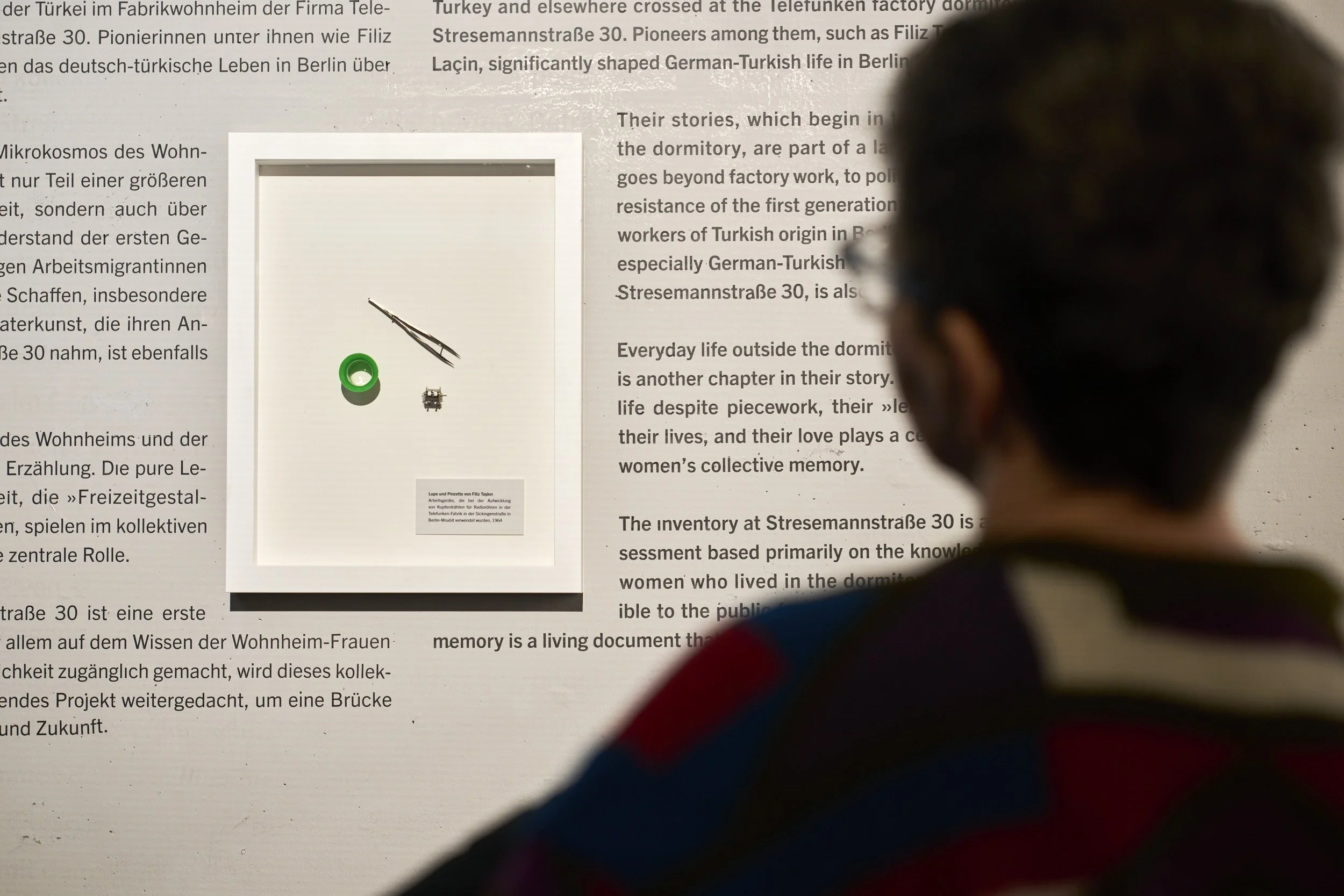
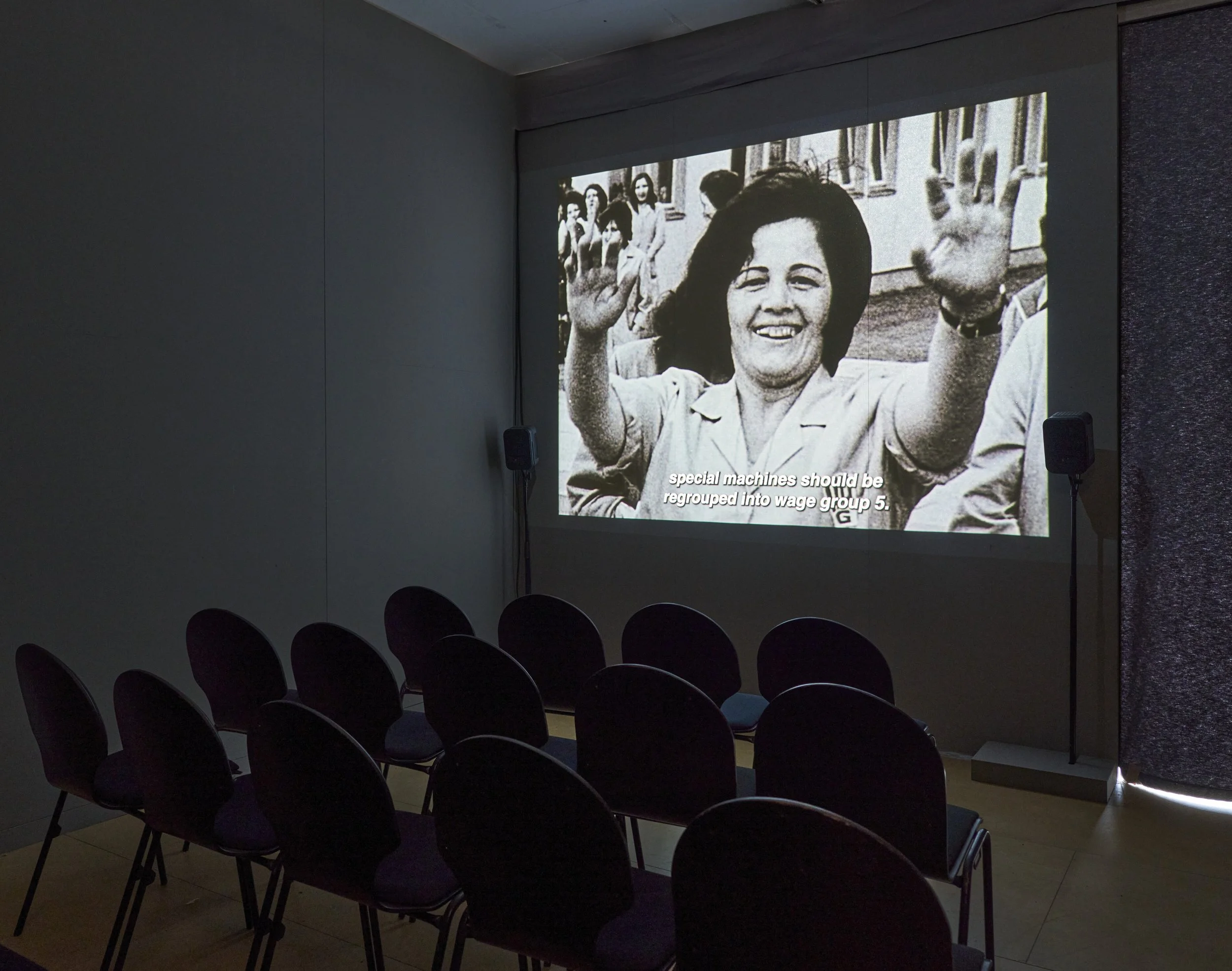
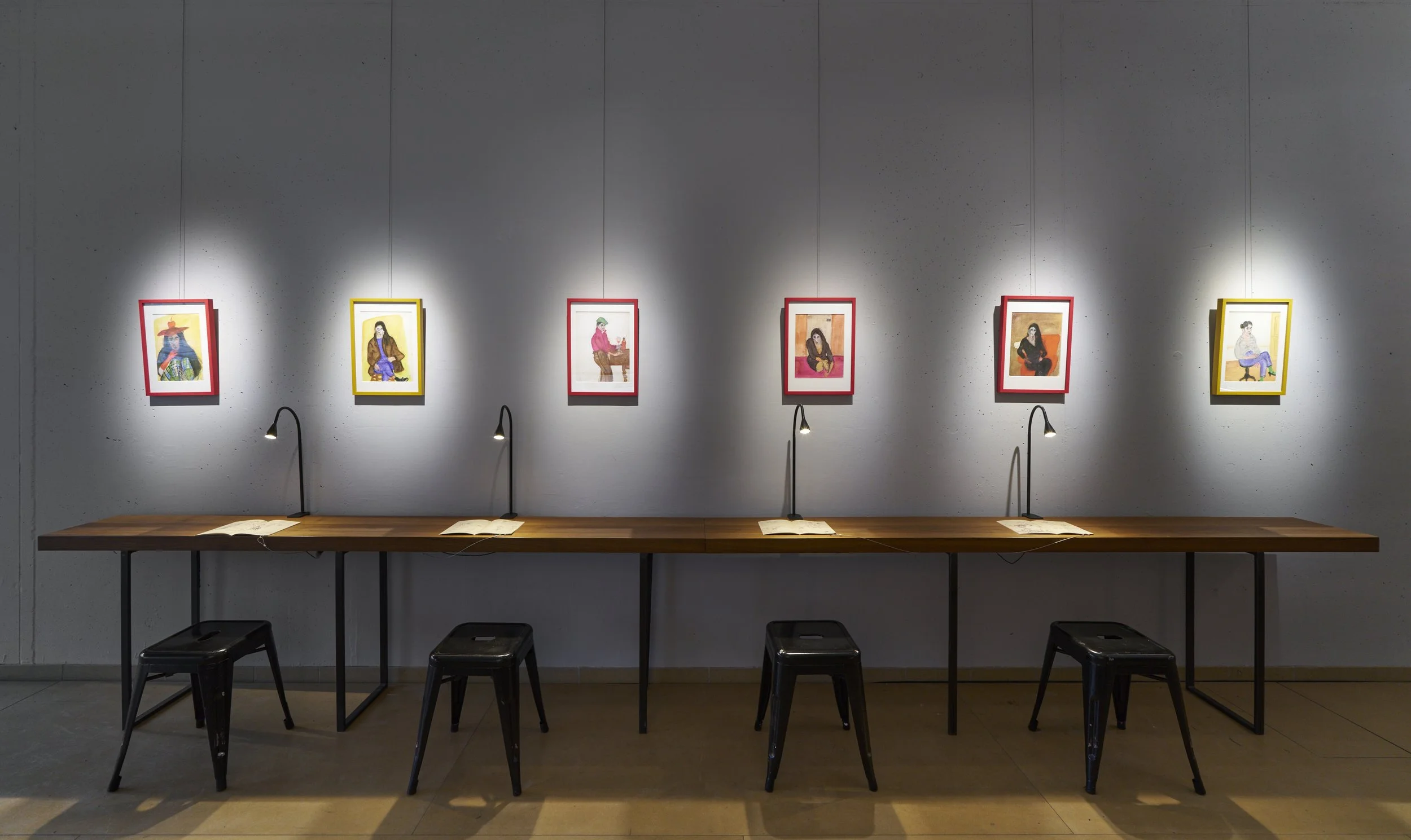
Making its premiere in Singapore, this exhibition follows the footsteps of these women migrant workers. Their stories about life, love, work, and resistance are accompanied by an intersection of programmes that builds a bridge to present-day Germany.
Initiated by Gorki’s Artistic Director Shermin Langhoff, and researched, compiled, and further collected by Hülya Karcı, Erden Kosova, Tunçay Kulaoğlu, Maral Müdok and Mürtüz Yolcu from works, family archives, estates, interviews, personal conversations by and with Mevhibe Çetin, Nuran Dirlikli, Aysel Göksu, İdil Laçin, Nuran Oktar, Emine Sevgi Özdamar, Mefharet Sayınbatur, Güneş Schulz, Filiz Taşkın, Melek Konukman-Tulgan & Nica Sultana Vasiliou and many other contemporary witnesses.
“...postmigrant theatre means a political, urban city theatre, which reflects the city with all its populations, stories, conflicts, and multiple perspectives.”
Apr 29 - May 3 Suggested donation starting at min. of 10 SGD
All programmes + exhibition included*
A Post Migrant Visa
*Except for workshop
Goethe-Institut Singapore
In collaboration with
The Goethe-Institut is Germany’s cultural institute with a global network. It promotes the German language abroad while supporting artistic freedom, creative experimentation and international cultural exchange. Through residencies, exhibitions, performances and dialogue programmes, the Goethe-Institut works with artists, cultural practitioners and institutions to explore new ideas and create spaces for exchange and creative practice.
Established in 1978, Goethe-Institut Singapore has become an active partner for the local cultural and educational community, supporting projects that encourage experimentation, dialogue and cross-cultural collaboration.
Maxim Gorki Theatre Berlin
The Maxim Gorki Theatre (Gorki) is the smallest but also the most exciting of Berlin’s state theatres.
It is located in a historically significant building in the former Choral Academy on the boulevard Unter den Linden, dating back to 1827. Founded in 1952 as a theatre for contemporary productions, for the citizens of East Berlin it became a municipal theatre in the very best sense – it was both critical and dissident.
Since 2013, under the artistic direction of Shermin Langhoff, the theatre has developed into one of Germany’s most important and influential stages for contemporary, post-migrant theatre. In its program, the Gorki is reflecting a diversified society in times of intensifying social and cultural conflicts. It sees itself as a place that is open to all people, regardless of their background and regardless of whether they live in Berlin as a result of displacement, exile or migration.
The artistic formats represent the aesthetic variety of contemporary theatre. In 2014 and again in 2016 theatre critics in Germany, Austria and Switzerland elected the Gorki “Theatre of the year”.