
Installation view of “The Economy Enters the People” (2021–22), Ho Rui An, Lecture and video installation with digital prints on paper, conference table, office chairs, desk, stool, book trolley, books, thermos flasks, cups, saucers and acrylic name plate holders. Photo: Ketsiree Wongwan. Courtesy of Bangkok CityCity Gallery.
One-Day Discursive Programme Curated by Ho Rui An
In 1971, a big-character poster put up by a frustrated worker at a factory manufacturing computers in Maoist-era China read: “The management follows the line of experts instead of the mass line; to build a computer one must know not only how to connect the lines but also where to draw the line!” About a year later, S. Rajaratnam, the Singapore foreign minister, vividly invoked in a now-historic speech the “tentacles of technology” that connected a global “chain of cities” which included the then rapidly developing city-state. Reading these two moments against the contemporary context of a globally integrated Chinese economy, the observation by the Singaporean statesman appears to have anticipated the displacement of Cold War-era ideological lines by the network of “lines” that would enable China to “open up” its economy to global capitalist markets during its Reform era.
Organised by artist, writer and Per°Form Fellow Ho Rui An, A World of Lines: From Third World Solidarities to Postsocialist Globalism explores the shifting geopolitical imaginaries within what was known as the Third World during the historical period that began with the end of empire and culminated in the late seventies with the foreclosure of socialism as a mass political project. In pursuing this periodisation, this one-day discursive programme seeks to map a historical trajectory distinct from Eurocentric narratives that situate the neoliberal triumph over international socialism in the late eighties. Contesting the enduring image of the fall of the Berlin wall as a liberation of the people into the free and unbounded space of the market, it considers instead what new lines are drawn to secure the market and how the persistence of socialist legacies amidst postsocialist globalism complicates the penetration of global capital into national markets across the world.
Through a series of presentations, workshops and focused conversations, invited speakers will share their research in response to these themes while facilitating a collective process of thinking with the various visual and literary sources that they have gathered from both public archives and private collections. This source-based and open-ended format reflects the ongoing and speculative nature of the inquiry amidst the intensification of unresolved Cold War-era tensions, resurgent ethnonationalisms and widening socioeconomic inequalities that have come to disrupt the lines of labour, technology and capital in the prevailing global order.
Presentations & Workshops
Factories, Tables, Revolution, Economy
Workshop with Ho Rui An and Zian Chen
Drawing upon their research into the political economy of Reform-era China, Ho Rui An and Zian Chen will share a selection of historical material sourced from official archives, informal networks and popular culture with which they seek to map the emergence of “the economy” as a distinct subject of governance in China beginning in the 1970s. Moving from cinematic scenes of factory workers pressuring their managers to adhere to the principles of socialist management to photographs of Chinese and Singaporean technocrats seated at massive meeting tables discussing techniques for managing society, this workshop invites participants to think through the set of separations—the party-state from the masses, information from ideology, the political from the economic—that underwrote the displacement of the revolutionary mass line by the lines of labour, technology and capital that connect everything within the global economy. Such a process preceded the official launch of China’s economic reforms by several years and was best observable at such liminal sites as the Canton Fair (China Import and Export Fair) where the capitalist and socialist worlds converged in a time when the ideological lines of the Cold War were being redrawn.
To A Faraway Friend: Letters Written with Fire
Workshop with Kathleen Ditzig, Sooyoung Leam and Carlos Quijon, Jr.
Based on research that has grown out of their Afro-Southeast Asian Affinities exhibitionary project, participants will explore the complex negotiation of neocolonial struggles for sovereignty under strongmen-led “democracies” across East and Southeast Asia during the Cold War. Participants will be encouraged to study historical material that illustrate demonstrations and uprisings in the region. They will also be asked to consider how neocolonial entanglements have mediated discourses of sovereignty, self-sufficiency, and self-interest. Participants will be invited to write fictional letters to a faraway friend to reconstruct their own “history” of these events. By leaning into the historical and the fictive as productive political gestures and questioning the responsibilities of marshalling these gestures, participants will not only reflect upon lesser known aspects of the evolving relationship that exists between postcolonial countries and world powers, but also consider how contemporary geopolitics and ideologies have coloured and framed the lens with which we can read histories of postcolonial solidarities and the futures that they set aflame.
Shekou, Jurong: Industrial Zone, Developmental State and Global Neoliberalism
Presentation by Taomo Zhou
Located on the western coast of Shenzhen, China’s first and most successful special economic zone, Shekou is an enclave just a little more than 2-square-kilometres that is even more experimental than Shenzhen itself. Established in January 1979, more than one year before the official launch of the Shenzhen Special Economic Zone, Shekou was the first “test tube” in socialist China that accepted foreign investment. Shekou’s design and development was partially inspired by Jurong, a district located in the western part of Singapore which transformed from a swamp land to an industrial hub in the 1970s. In this presentation, Taomo Zhou, who grew up in Shekou and has spent the past seven years living and working in Jurong, will share her memories and observations about the two industrial zones. Through this process, she seeks to explore larger questions about the international history of industrialisation and deindustrialisation and the global emergence of neoliberalism.
-
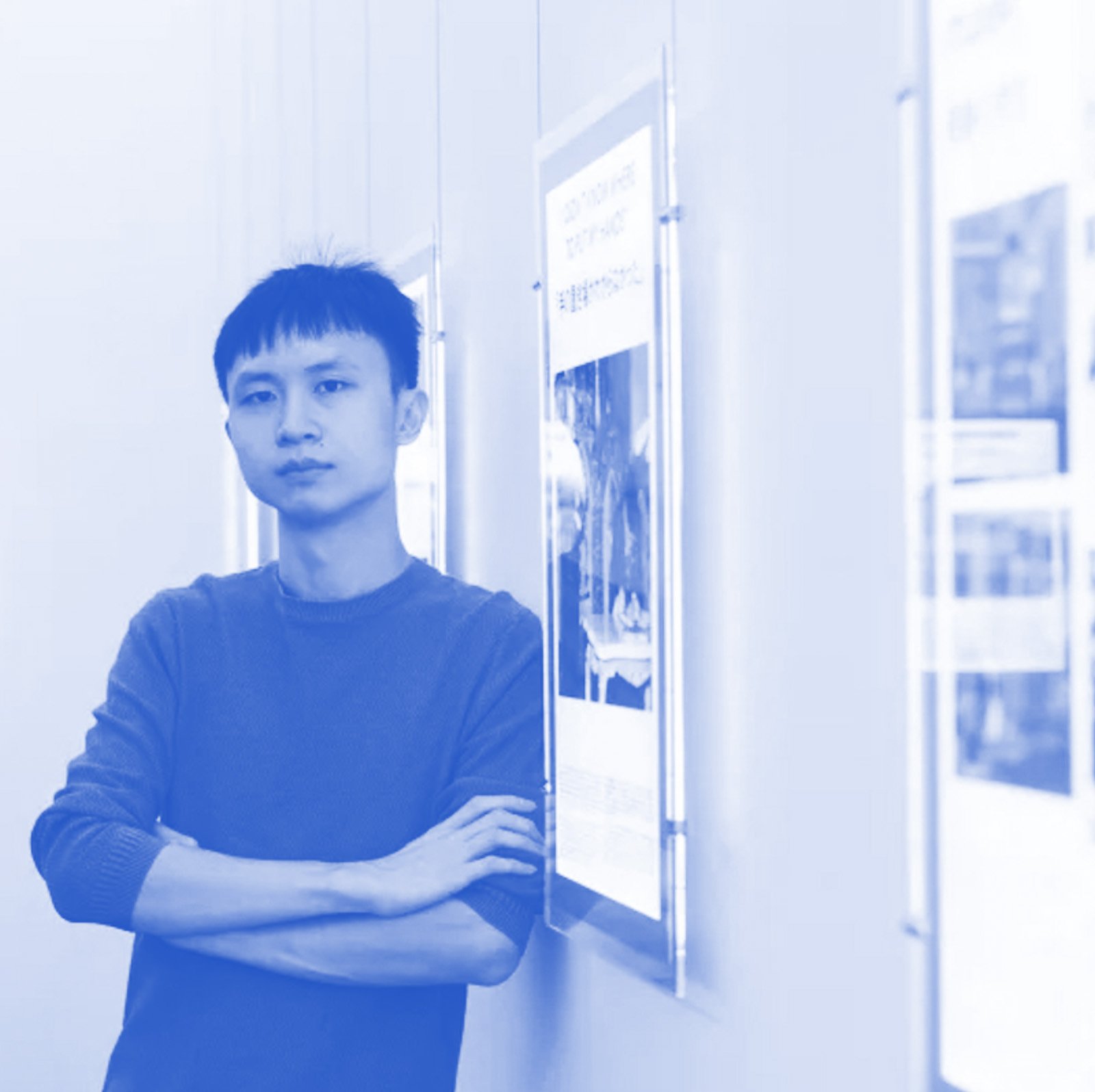
Ho Rui An is an artist and writer working in the intersections of contemporary art, cinema, performance and theory. Working primarily across the mediums of lecture, essay and film, he probes into the ways by which images are produced, circulate and disappear within contexts of globalism and governance. He has presented projects at the Bangkok Art Biennale; Asian Art Biennial; Gwangju Biennale; Jakarta Biennale; Sharjah Biennial; Kochi-Muziris Biennale; Kunsthalle Wien; Haus der Kulturen der Welt, Berlin; Van Abbemuseum, Eindhoven; NTU Centre for Contemporary Art Singapore; and Para Site, Hong Kong. In 2019, he was awarded the International Film Critics’ (FIPRESCI) Prize at the International Short Film Festival Oberhausen, Germany. In 2018, he was a fellow of the DAAD Artists-in-Berlin Program.
-
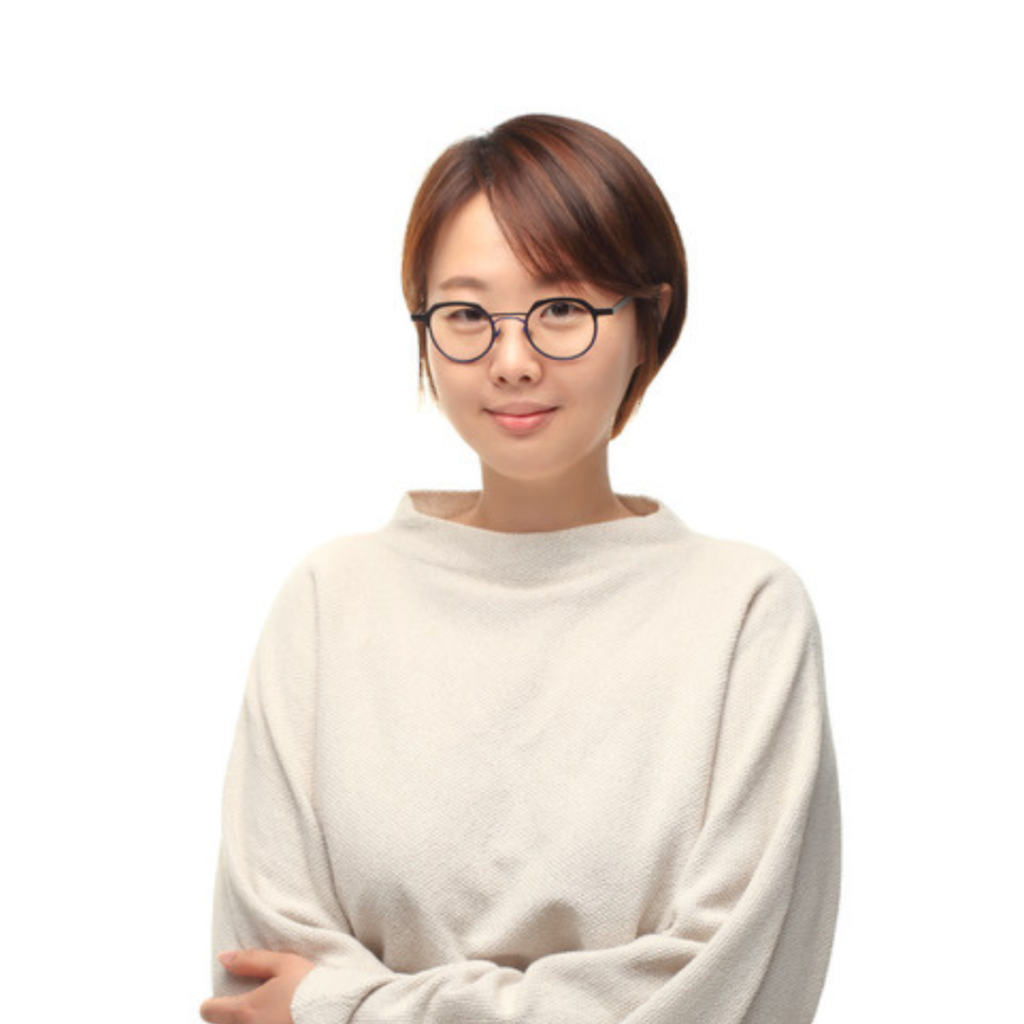
Zian Chen periodically collaborates with artists and writers to develop alternative frameworks for thinking and speculation. He is one of the founding members of Pailang Museum of Settler Selves (2022–), an editor-in-residence for Compost in ICA NYU Shanghai (2021–2022), as well as one of the editors for Made in Public (2022) and Arrow Factory: The Last Five Years (2020). He has also curated Production Fever 2008: Study Materials in Nida Art Colony, Nida (2022). In 2020–21, he was one of the founding editors for Heichi Magazine, an online journal for contemporary art published weekly in Chinese and English.
-
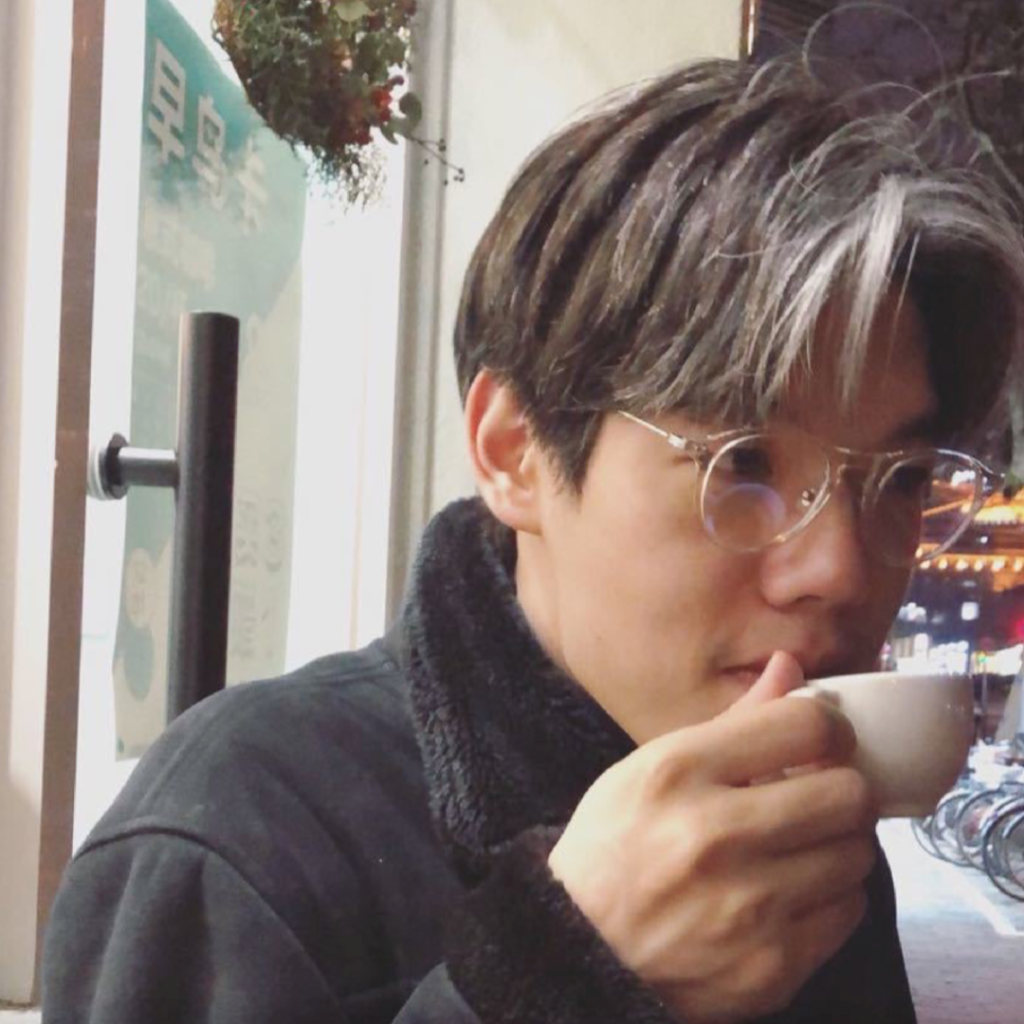
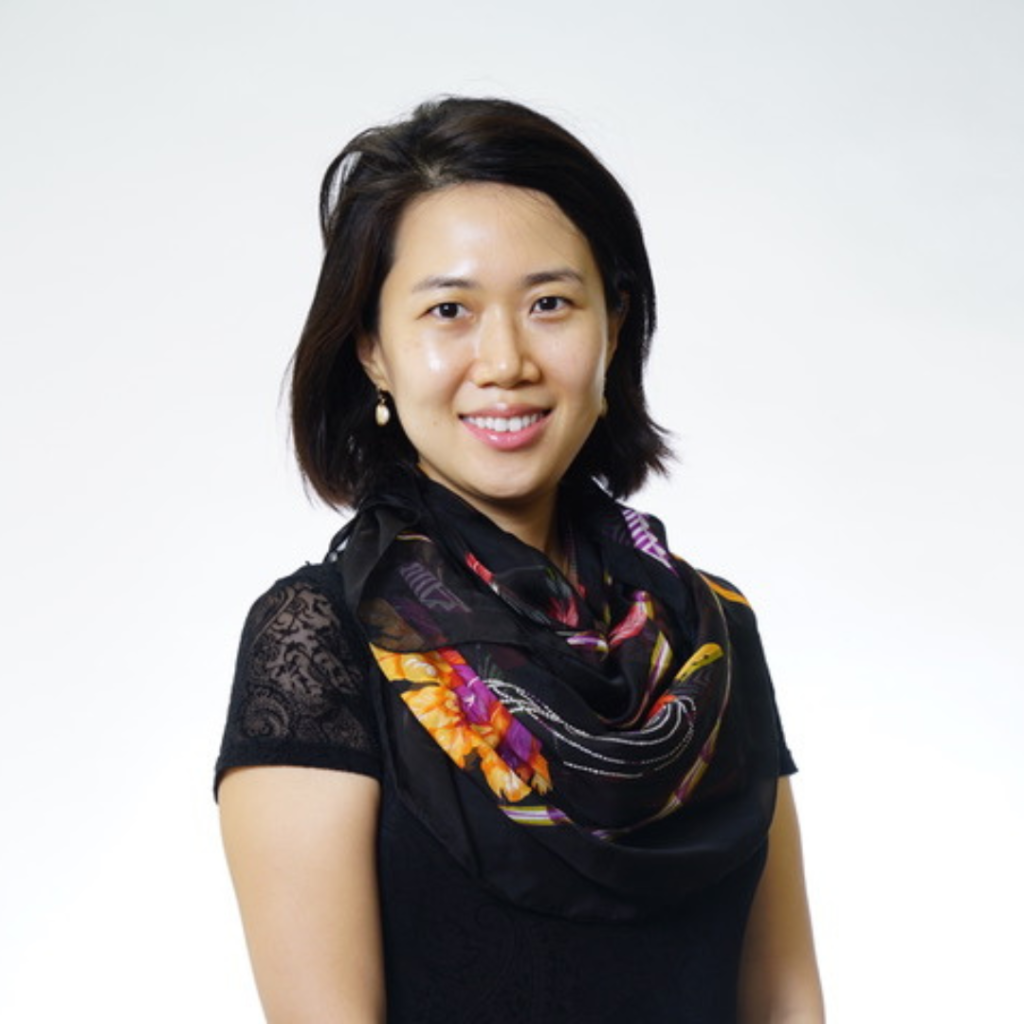
Kathleen Ditzig is a Singaporean researcher and curator. She is currently a curator at National Gallery Singapore and a PhD candidate at the NTU School of Art, Design and Media. Her research interests include exhibitionary histories of Southeast Asia, global histories of capitalism and the enduring legacies of the Cold War. Her curatorial practice aspires to the iterative and meaningful building of networks and platforms. It has involved the development of artist residencies, publications and exhibitions for museums and government agencies. She co-founded offshoreart.co (with Robin Lynch and Debbie Ding), which looks at financial flows and extrastatecraft through the artworld, and Afro-Southeast Asia Affinities (with Carlos Quijon Jr.), which has been supported by KONNECT ASEAN and part of the digital platform South-South. Other than her iterative projects, her recent exhibitions include Art Histories of a Forever War: Modernism Between Space and Home, co-curated with Fang Tze Hsu at Taipei Fine Art Museum (2022), and As The West Slept, Performa Consortium Project, Silver Art Projects New York (2019). Her research and writing has been published by MoMA Post, Southeast of Now (NUS Press), Afterall, Artforum, OSMOS magazine, Art Agenda, Art Review Asia, among others.
-
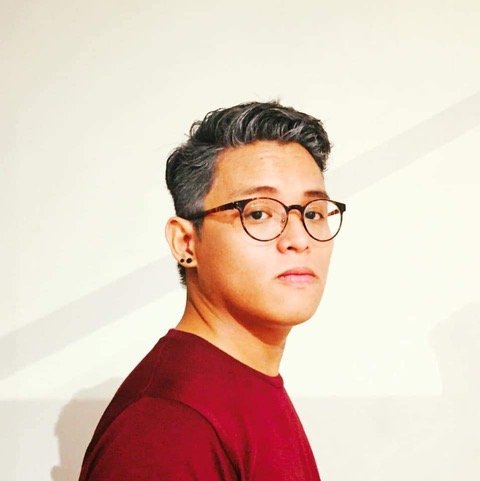
Carlos Quijon, Jr. is an art historian, critic, and curator based in Manila. He was a fellow of the research platform Modern Art Histories in and across Africa, South and Southeast Asia (MAHASSA), convened by the Getty Foundation’s Connecting Art Histories project. He writes exhibition reviews for Artforum (NY) and CNN Philippines. His essays are part of the books SEA: Contemporary Art in Southeast Asia (Berlin: Weiss Publications, 2022), Writing Presently (Manila: Philippine Contemporary Art Network, 2019), and From a History of Exhibitions Towards a Future of Exhibition-Making: China and Southeast Asia (Berlin: Sternberg Press, 2019). Some of his essays have been published or are forthcoming in Southeast of Now: Directions in Contemporary and Modern Art, Frieze (UK), Afro-Asian Visions, MoMA’s post (US), Queer Southeast Asia (Singapore), Financial Times Weekend (UK), ArtReview Asia (Singapore), Art Monthly (UK), Asia Art Archive’s Ideas (HK), and Trans Asia Photography Review (US), among others. He curated Courses of Action in Hong Kong (Para Site and Goethe-Institut Hong Kong, 2019); co-curated Minor Infelicities (Post Territory Ujeongguk, Seoul, 2020); In Our Best Interests (NTU ADM Gallery, Singapore, 2021); Cast But One Shadow (UP Vargas Museum, Manila, 2021-2022); A Global South Cosmology of Capitalism (El Espacio 23, Miami, 2022); Synthetic Condition (UP Vargas Museum, Manila, 2022); and To A Faraway Friend (ASEAN Cultural House, Busan, 2022).
-
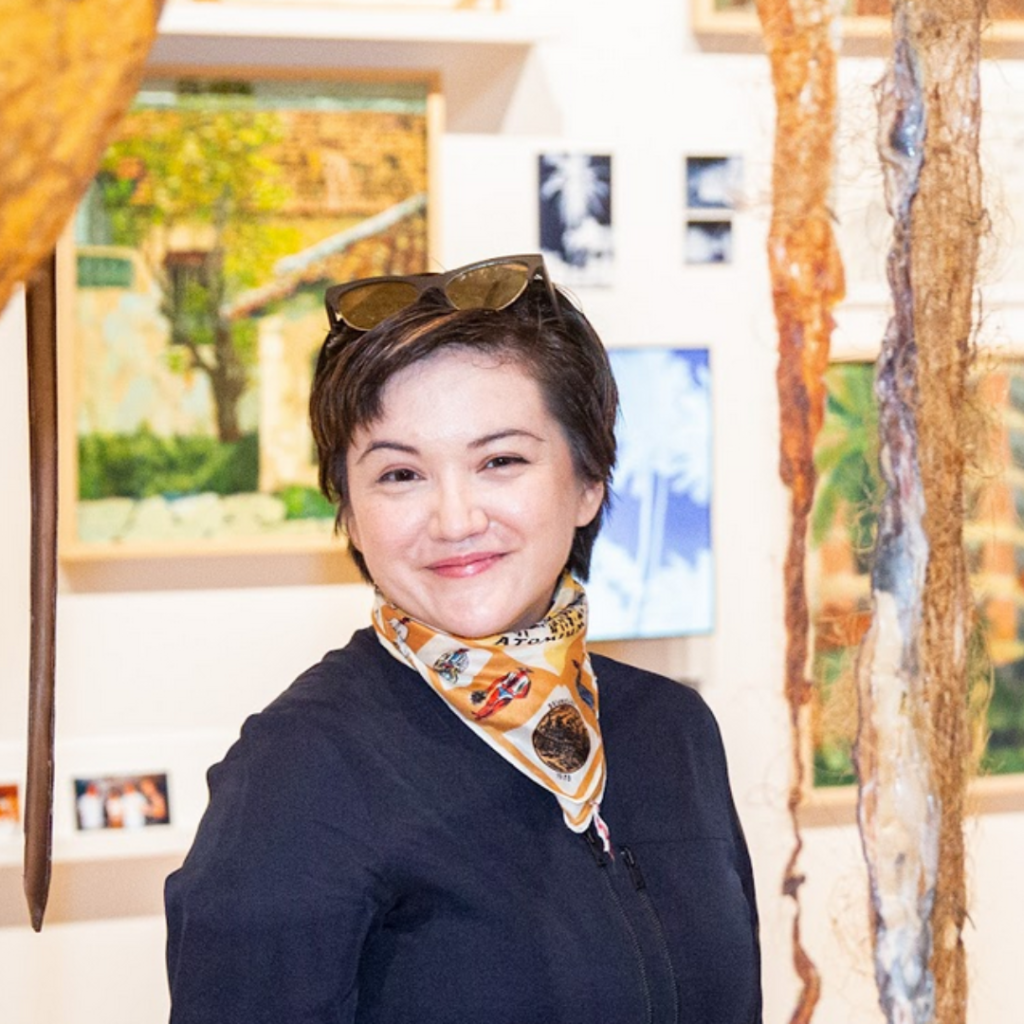
Sooyoung Leam is a curator and art historian working between Seoul and London. Her ongoing research on archives explores intersections between sculpture, performance and politics. She studied History of Art at Cambridge University and completed her PhD at the Courtauld Institute of Art. Her recent curatorial projects include Art Reimagined, organised by Meta (Seoul, 2022); Actually, the Dead are not Dead (Seoul, 2021); Gwangju Biennale special exhibition Between the Seen and the Spoken (Gwangju, 2021). She is currently Assistant Curator of the 14th Gwangju Biennale (2023).
-
Taomo Zhou is an Associate Professor of History at Nanyang Technological University (NTU). Taomo received her PhD from Cornell University. Her first book, Migration in the Time of Revolution: China, Indonesia and the Cold War (Cornell University Press, 2019), won a Foreign Affairs “Best Books of 2020” award and an Honorable Mention for the 2021 Harry J. Benda Prize from the Association for Asian Studies. Taomo is currently working on her second book project tentatively entitled Made in Shenzhen: A Global History of China’s First Special Economic Zone, which is under contract with Stanford University Press.
Artist and writer, Rui An, works in the intersections of contemporary art, cinema, performance, and theory. Working primarily across the mediums of lecture, essay and film, he probes the ways images are produced, circulate, and disappear within contexts of globalism and governance. He has presented projects at the Bangkok Art Biennale; Asian Art Biennale Bangladesh; Gwangju Biennale; Jakarta Biennale; Sharjah Biennale; Kochi Muziris Biennale; Kunsthalle Wien; Haus der Kulturen der Welt, Berlin; Van Abbemuseum, Eindhiven; NTU Centre for Contemporary Art Singapore; and Para Site, Hong Kong. In 2019, he was awarded the International Film Critics’ (FIPRESCI) Prize at the International Short Film Festival Oberhausen, Germany. In 2018, he was a fellow of the DAAD Artists in Berlin Program.